
Get practical, condition-aware nutrition guidance that helps you understand how everyday meals affect heart health. Analyze foods, manage sodium and fat intake, and make more confident choices that support blood pressure, circulation, and long-term cardiovascular well-being.
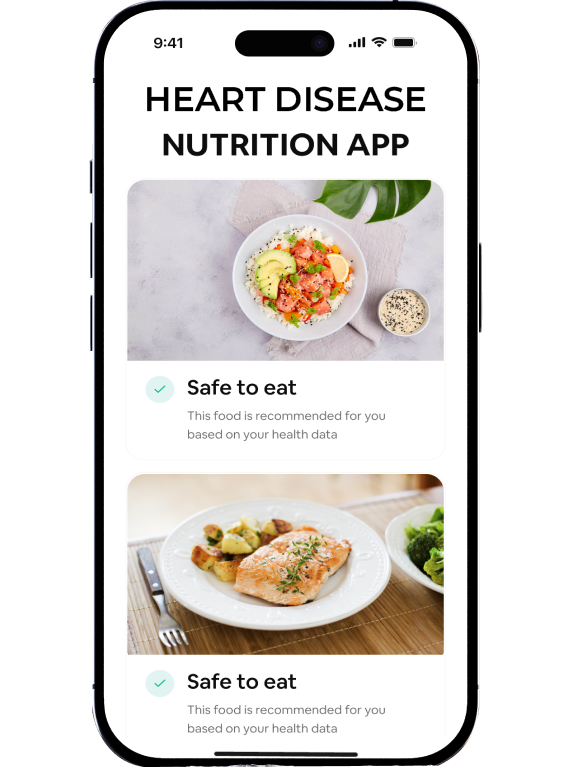

Heart disease develops gradually over time. It is the result of long-term habits, not a single meal. What matters most are your everyday habits: the foods you choose regularly, how much sodium and unhealthy fats gradually accumulate, and whether your overall eating pattern consistently supports your heart health.
For many people, nutrition advice for heart disease feels overwhelming. One source says avoid fat, another says eat healthy fats. Some say cut carbs, others say focus on fiber. Labels are confusing, restaurant meals are unpredictable, and even “heart-healthy” foods don’t always fit individual needs.
The ONAHN Michelle™ Heart Disease Nutrition App was created to bring clarity to those daily decisions. It helps you understand how your meals affect heart health, identify foods that may increase cardiovascular strain, and choose options that better support circulation, blood pressure, and long-term heart function.
Food has a direct impact on cardiovascular health. Particularly, sodium affects blood pressure, saturated fats influence cholesterol levels, added sugars contribute to inflammation, and portion size determines overall strain on the heart. Over time, these factors shape how hard your heart has to work.
But heart disease nutrition is much more than a list of foods to avoid. It’s a balancing act that keeps your blood vessels healthy, manages your cholesterol, maintains stable blood pressure, and minimizes the inflammatory burden. This requires a heart-smart nutrition plan that works within a busy schedule.
ONAHN Michelle™ takes a bigger picture approach because it’s not just about your daily food choices but rather about understanding the impact those choices have when put into the bigger picture of your diet and its effects on your cardiovascular system.


There are many nutritional applications that are centered on calorie tracking or weight loss, which is not entirely effective in covering CHD needs. CHD is a condition that actually needs a more subtle approach, with consideration of salt load, fat, fiber, and meals.
When you record a meal in the ONAHN Michelle™ system, the system assesses the meal’s alignment with heart-healthy dietary factors. These include the amount of salt, the ratio of saturated fats to unsaturated fats, the amount of added sugars, and the nutritional density. Rather than presenting you with a list of figures, the system interprets the data into actionable advice you can apply at once.
This helps make it easier to make the decision if a meal helps your heart or if it puts unnecessary stress on it, without the necessity to become an expert in the field of heart-healthy eating.
One of the hardest parts of managing heart disease is knowing which foods are actually supportive. Grocery shelves are full of products labeled “healthy,” yet many contain hidden sodium, refined carbohydrates, or unhealthy fats.
ONAHN Michelle™ helps you identify heart-safe foods based on how they affect cardiovascular health, avoiding marketing claims. Over time, you begin to recognize patterns, which meals help you feel steady and energized, and which ones leave you feeling sluggish or bloated.
This growing awareness makes food choices feel more confident and less stressful, whether you’re cooking at home or eating out.

For many people with heart disease, sodium and fat intake are constant concerns. Sodium can quietly accumulate throughout the day, while certain fats increase cardiovascular risk if consumed too often.
ONAHN Michelle™ helps you track these patterns without obsession. As you log meals, the app shows how sodium and fat content fit into your daily goals and highlights when something may push you too far. It also suggests small adjustments, choosing lower-sodium options, swapping cooking methods, or balancing meals with fiber-rich foods.
These small changes add up, helping you protect your heart without feeling deprived.

Heart disease management isn’t about perfection, it’s about consistency. One high-sodium meal won’t undo progress, but repeated patterns can. ONAHN Michelle™ helps you see those patterns clearly. You may notice that certain restaurant meals consistently raise sodium intake, or that particular breakfast choices lead to steadier energy throughout the day. By connecting meals over time, the app helps you understand how your routine affects your cardiovascular health.
This insight allows you to adjust habits gradually, making heart-healthy eating more sustainable.

A new heart disease diagnosis often comes with a long list of recommendations and lifestyle changes. Many people feel unsure where to begin or how strict they need to be.
ONAHN Michelle™ provides a clear starting point. Instead of overwhelming rules, it helps you understand how your current eating habits align with heart-health guidelines and where small changes can make the biggest difference. This makes the transition feel manageable and realistic.

Heart-healthy eating doesn’t have to feel restrictive or complicated. It’s about making informed choices that support your body over time. ONAHN Michelle™ helps simplify this process by turning everyday meals into meaningful insights you can act on.
As your understanding grows, eating becomes less confusing. You start choosing foods that support circulation, blood pressure, and energy levels, not because you’re following strict rules, but because you understand what works for your heart.

The app analyzes meals for sodium, fat quality, added sugars, and overall balance. It helps you understand how everyday food choices affect heart health and supports better decisions that align with cardiovascular nutrition guidelines.
Yes. By reviewing ingredients and nutrient composition, the app highlights foods that support heart health and flags options that may increase cardiovascular strain, helping you build confidence when choosing meals at home or dining out.
Absolutely. The app tracks sodium across your logged daily meals, shows how it accumulates, and helps identify hidden sources. This makes it easier to stay within heart-healthy limits without constantly reading labels.
Yes. It offers a clear starting point by showing how your current eating habits align with heart-health recommendations, helping you make small, realistic changes without feeling overwhelmed by strict or complex rules.
Yes. ONAHN Michelle™ is designed to complement professional medical advice by translating nutrition guidance into practical, everyday food insights that are easier to follow between appointments and support long-term heart health.