Atrial fibrillation can make the body feel irregular or unpredictable. A rapid heartbeat, fatigue, dizziness, or pain may occur without warning. Although receiving medical treatment is important, daily routines, such as nutrition, may contribute as a secondary factor in relation to how often a person experiences atrial fibrillation symptoms and how easily they can cope with them.
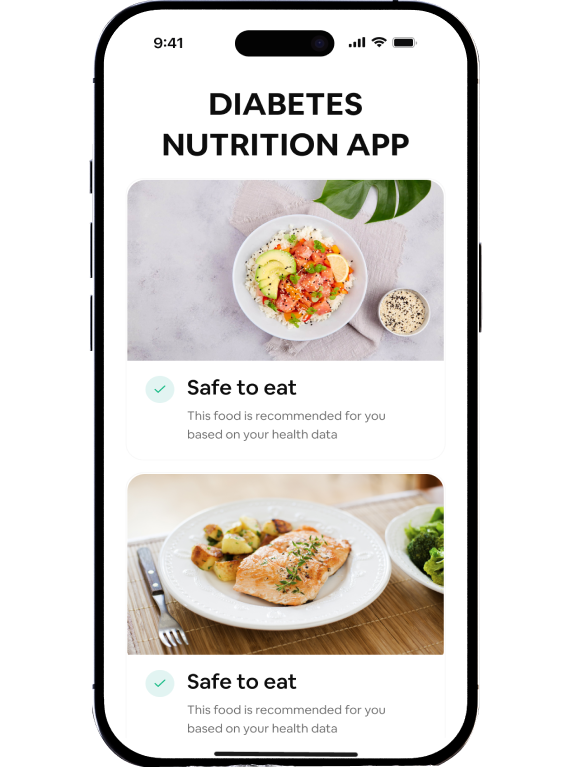
The Atrial Fibrillation Nutrition App can provide you with a greater awareness regarding how your nutrition, as well as your daily routines, may impact your heart rhythm and cardiovascular stability. It does not provide you with general information, but rather personalized information based on your actual nutrition.
Some foods and habits may trigger heart rhythm irregularities by affecting the balance of certain minerals, the level of hydration, the level of inflammation, and the nervous system. These may include too much sodium, dehydration, too much caffeine, alcohol, and large and irregular meals, which may trigger AFib in certain individuals living with the condition.
However, the problem is that the triggers differ from one individual to another. What may trigger a condition in one person may not trigger the same condition in another person. Therefore, the best approach is to know how you react rather than the rules you need to follow.
ONAHN Michelle™️ focuses more on the recognition of patterns rather than the avoidance of certain food groups.

Many nutrition apps focus on calories or weight loss, but this is not what is important to the person dealing with atrial fibrillation. What is important is how food is viewed from the perspective of the heart, rhythm, and cardiovascular system, which is what ONAHN Michelle™️does.
When you input what you have eaten, ONAHN Michelle™️ can analyze this for factors that can impact heart rhythm, including sodium, hydration, size of the meal, timing, and ingredients, providing you with trends that can help you understand what is affecting your symptoms, giving you better clarity on what is helping you have more stable days.
AFib symptoms don’t always appear immediately after eating, which makes identifying triggers difficult. A meal earlier in the day, dehydration, or an evening drink may contribute to developing symptoms hours later.
ONAHN Michelle™️ helps connect these dots by linking meals, timing, and reported symptoms. As you continue logging, patterns begin to emerge, allowing you to make informed adjustments instead of guessing or overly restricting your diet.
Now available for iPhone (Android soon)
Managing AFib doesn’t require giving up enjoyable foods or eating bland meals. The key is maintaining balance, consistency, and awareness in your diet.
ONAHN Michelle™️ can help you understand which foods work best for you, which need to be managed, and how preparation, and portion sizes affect your health.
On days when symptoms feel unsettling, complicated tracking tools can add stress. ONAHN Michelle™️ is designed to be simple, supportive, and easy to use.
Log meals quickly, receive clear feedback, and move on with your day. The goal is clarity and confidence, not pressure or perfection.
Atrial fibrillation may require ongoing medical management. Nutrition is not an alternative to medical management, but it may help with stability.
ONAHN Michelle™️ is designed to assist you with the application of nutrition recommendations in real life, between medical visits, and in everyday situations.
When food becomes a source of worry, it adds stress to an already challenging condition. By providing clearer insights and helping you better understand your body’s responses, ONAHN Michelle™️ helps alleviate uncertainty.
As time goes by, food becomes less about the fear of causing symptoms and more about having confidence in food choices that support a healthy heart rhythm.
ONAHN Michelle™️ helps identify foods and habits that may influence heart rhythm by tracking meals, hydration, and patterns over time. This supports better awareness of personal triggers and steadier daily choices.
Yes. By linking meals, timing, and symptoms, ONAHN Michelle™️ helps reveal patterns that may contribute to AFib episodes, reducing guesswork and unnecessary dietary restriction.
Absolutely. ONAHN Michelle™️ highlights sodium intake and hydration balance, both of which can influence cardiovascular stability and symptom management for people living with atrial fibrillation.
Yes. It provides a clear, supportive starting point by helping you understand how current eating habits may affect symptoms, making nutrition adjustments feel manageable rather than overwhelming.
Yes. ONAHN Michelle™️is designed to complement medical care by helping you apply nutrition guidance in daily life. It does not replace professional medical advice or treatment.