Support bone strength with personalized nutrition guidance that helps you understand calcium balance, vitamin support, and everyday food choices with ONAHN Michelle™️.
Bone health often declines quietly. Conditions such as Osteopenia and osteoporosis typically develop without noticeable symptoms, gradually compromising bone strength, causing painful fractures, impaired mobility, or discomfort. Although medical care plays a significant role, nutrition can have an individual impact on bone density.
The Osteopenia & Osteoporosis Nutrition App assists you in understanding how your daily diets impact bone development. Unlike many diet apps and books that focus on supplements and restrictions, ONAHN Michelle™️ doesn’t simply tell you what to do. Instead, it provides you with personalized information to help you build a simple, long-term strategy for healthy bones.
Bones are living tissue, constantly rebuilding and repairing themselves. Nutrients that support their structure and strength include calcium, vitamin D, magnesium, protein, and vitamin K. Consistently low levels of these nutrients can lead to a gradual decline in bone density.
Meanwhile, excessive sodium or improper protein balance or malabsorption of nutrients may quietly work against bone health. Because these changes take place slowly, it’s often hard to recognize how day-to-day eating patterns contribute to long-term outcomes.
Bones are living tissue, constantly rebuilding and repairing themselves. Nutrients that help in maintaining structure and strength of bones include calcium, vitamin D, magnesium, protein, and vitamin K. Consistently low levels of these nutrients can lead to a gradual decline in bone density.Bones are living tissue, constantly rebuilding and repairing themselves. ONAHN Michelle™️ can help bring clarity to this process by connecting nutrition habits with bone-supportive guidance you can apply every day.

Most people tend to concentrate on calcium supplements. However, the nutrient balance with the required quantities and the regularity of intake from the diet must also be taken into account for effective calcium absorption.
ONAHN Michelle™️ analyzes your meals and determines your calcium intake estimate, supporting nutrients, and dietary patterns that can affect your bone strength. Also, it monitors your routine and indicates whether it’s for improving, maintaining, and even leading to a deficiency over time.
Most nutrition programs focus on calorie intake, weight, or weight-related goals. However, these approaches do not address the specific needs and concerns of people with osteopenia or osteoporosis.ONAHN Michelle™️, however, offers a nutritional analysis that helps users view food items from the perspective of bone health.
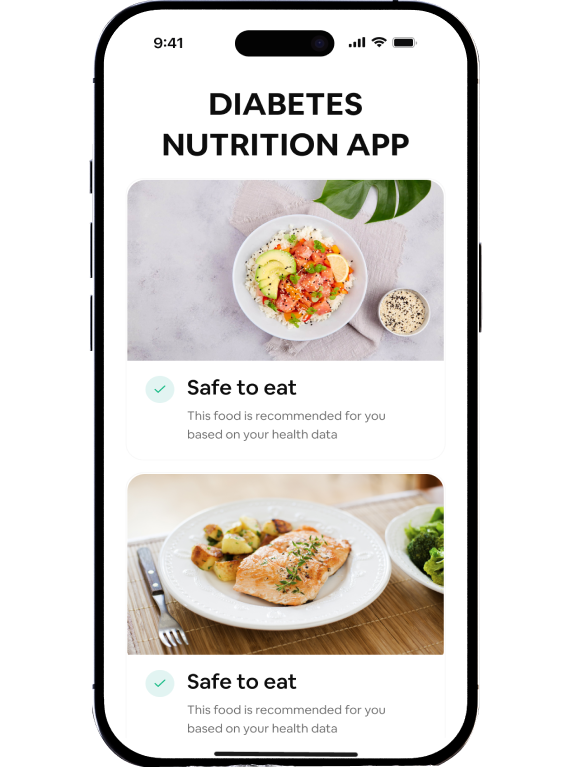
When you log a meal, ONAHN Michelle™️ analyzes the ingredients used in a meal, the cooking method, and the actual nutritional composition. This helps determine whether the meal supports the bones strength or needs to be changed.
Bone health is shaped by consistent habits built over months and years, rather than individual meals. Therefore, improvements or declines occur gradually and may not be noticeable from one day to another.
ONAHN Michelle™️ monitors trends over time, allowing you to assess whether your dietary habits support adequate nutrient intake and overall bone health. Therefore, you can make gradual adjustments to your current routine to focus on preventing rather than responding to a situation once bone health has decreased.
It’s not necessary to go to extremes or avoid the foods you like to maintain your bone density. It’s all about balance, variety, and nutrients.
However, the app also provides understanding of moderation, portion balance, and improvement that naturally fit into your lifestyle. This is more sustainable than making significant changes that cannot be easily maintained.
The complexity of osteopenia or osteoporosis care visits, scans, and treatment decisions. Providing nutrition support should not be complex but simple.
ONAHN Michelle™️ is easy to follow. It is simple to log a meal, get feedback, and receive guidance on the next step to take, as opposed to being perfect.
Conditions of the bone generally require monitoring, medicine, and/or supplementation with the guidance of a medical professional. While it’s true that nutrition can’t replace medical treatment, it can be a valuable and essential accompaniment to a medical regimen.
ONAHN Michelle™️’s role is to translate clinical nutrition recommendations into easier-to-follow, everyday food choices that you can apply in between clinical visits to promote bone health.
A More Confident Relationship With Food and Bone Health
While food choices seem questionable when bone density is a concern, eating to support bone health with more clarity is whatONAHN Michelle™️does.
Naturally, eating becomes less about worry and more about confidence in those habits that promote mobility and independence.
ONAHN Michelle™️ helps track nutrients that support bone density, such as calcium, vitamin D, and protein. By analyzing meals and patterns, it provides guidance that supports stronger bones and long-term skeletal health.
No.ONAHN Michelle™️ complements medical care by helping you understand nutrition habits. It does not replace prescribed supplements, medications, or professional medical advice for bone conditions.
It supports prevention by highlighting nutrient gaps and encouraging balanced eating patterns that contribute to bone maintenance, though it is not a medical treatment.
Yes. ONAHN Michelle™️ provides clear daily nutrition guidance that helps you apply bone-health recommendations in real-life meals, making long-term management more practical.
No. ONAHN Michelle™️ focuses on balance and sustainable habits rather than restrictive dieting, helping you make realistic improvements that fit into everyday life.